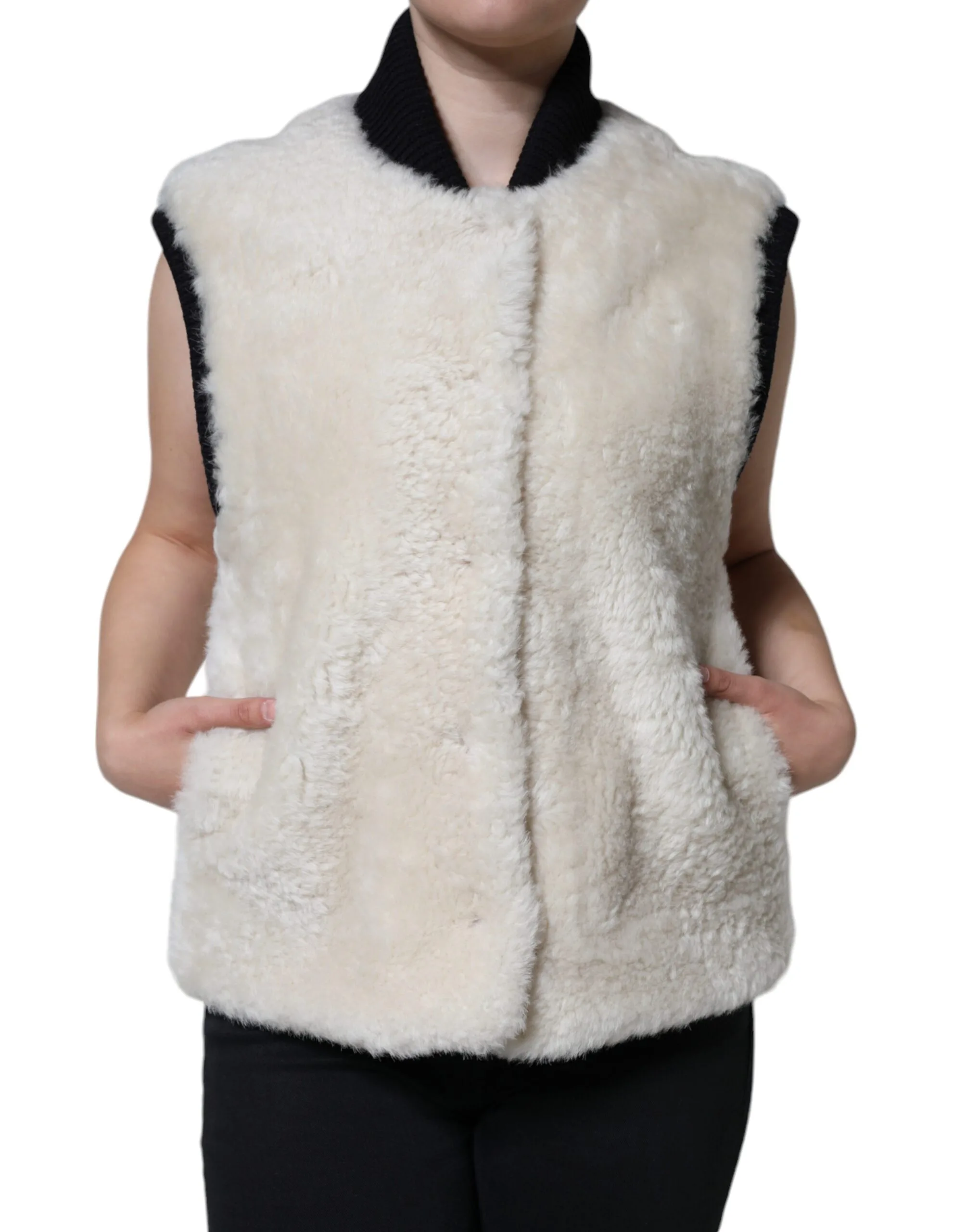
Sizes are not standard and never have been. A medium from one house is a small from another, Italian 42 is not French 42, and the same brand often cuts its own sizes differently from one season to the next. The only reliable way to buy clothing you cannot try on is to know your own measurements and compare them with the ones published for the piece.
It takes ten minutes once, and then it serves you for years. Write the numbers down somewhere you can find them.
What you need
A soft tape measure. If you do not have one, a length of string and a ruler will do: mark the string, then lay it flat and measure it.
Measure over your underwear, not over clothes. Stand as you normally stand, do not hold your breath, and keep the tape level and snug without pulling it tight. Having someone else take the measurements is easier and more accurate.
The five that matter
- Chest or bust. Around the fullest part, under the arms, with the tape level across the back.
- Waist. At the narrowest point, usually just above the navel. Bend to one side: the crease is your natural waist.
- Hips. Around the fullest part, usually about 20 cm below the waist, with your feet together.
- Inside leg. From the top of the inner thigh to the floor, barefoot. Compare it with a pair of trousers you already like.
- Shoulder. From the bone at the edge of one shoulder to the other, straight across the back. This is the one measurement a tailor cannot easily change.
For jackets and coats
Shoulder width decides whether a jacket can ever look right. Everything else — the waist, the sleeves, the length — can be altered by a tailor for less than most people expect. If the shoulder seam sits where your shoulder ends, the rest is adjustable.
Sleeve length is measured from the shoulder seam to the wrist bone with your arm slightly bent. A shirt cuff should show about a centimetre below a jacket sleeve.
For shoes
Measure both feet at the end of the day, when they are at their largest, standing on a sheet of paper with your weight on them. Mark the heel and the longest toe — which is not always the big toe — and measure between the marks. Buy for the larger foot.
European sizes are based on the length of the last, not the foot, and the relationship differs between makers. A measurement in centimetres compared against the maker’s own chart beats a size number every time.
Between two sizes
Size up for outerwear, knitwear and anything you will wear over something else. Size down, or take your true size, for a piece meant to sit close: a silk shirt, a fitted dress, a leather jacket that is supposed to mould to you.
For tailoring, buy for the largest of your measurements and have the rest taken in. It is always easier to remove cloth than to find it.
A note on how we list sizes
Where a house publishes its own measurements, we show them on the product page alongside the size, so you can compare numbers rather than guess at letters. Where a piece is known to run small or large, we say so. If a page does not answer your question, write to customer care and we will measure the piece.