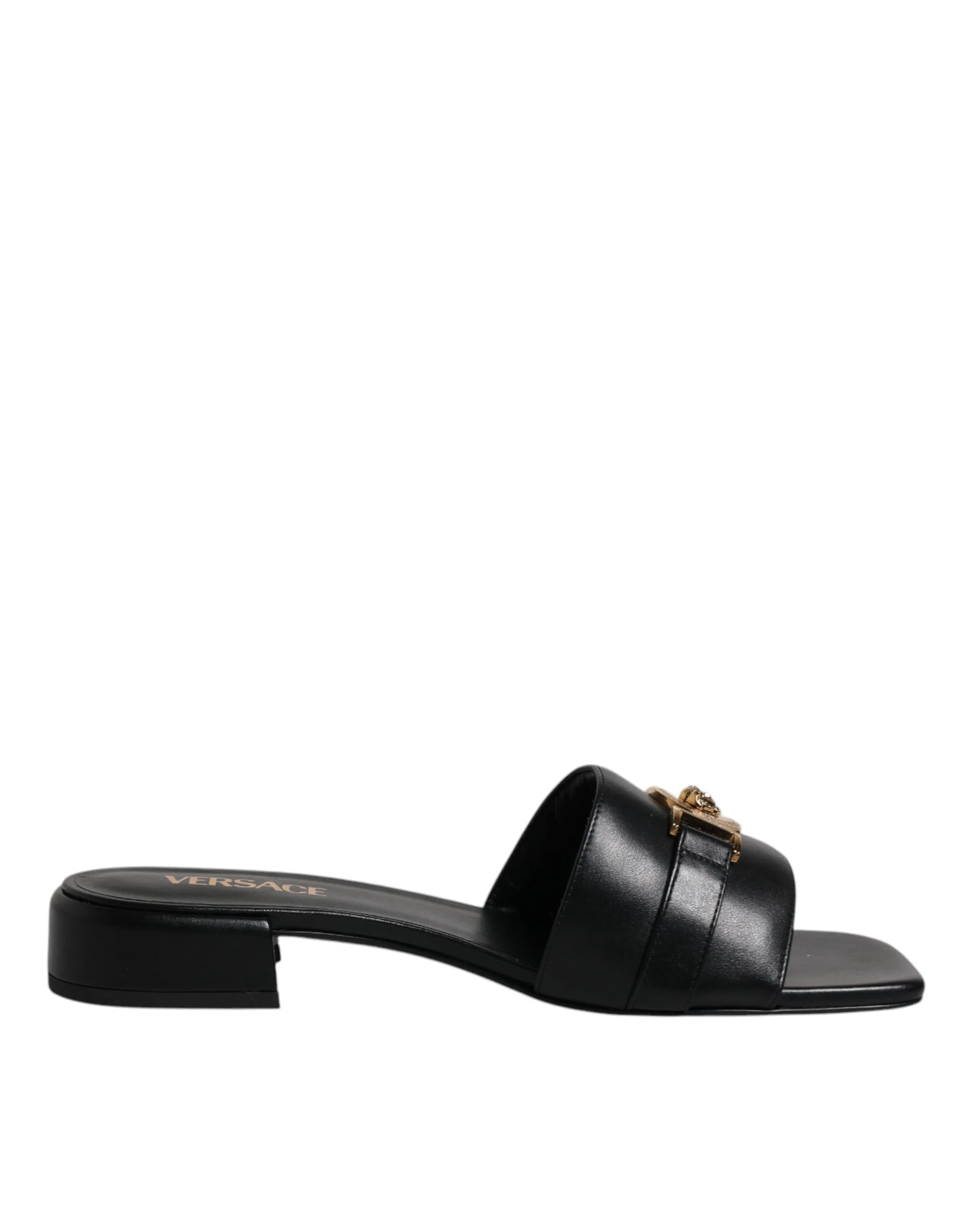
Good leather improves for a decade and then holds. Bad treatment ruins it in a season. Almost all of the damage people do to leather comes from three things: letting it dry out, drying it too fast when it gets wet, and cleaning it with something meant for a kitchen.
Keep it away from heat
Heat is what cracks leather. Never dry a wet bag or a pair of shoes on a radiator, in front of a fire or with a hairdryer: the water leaves faster than the oils can redistribute, the fibres contract, and the surface splits. Blot with a towel, stuff shoes with paper to hold their shape, and let them dry slowly at room temperature, away from the sun.
Feed it, rarely
Two or three times a year is enough for most pieces, more if you wear them in hard weather. Use a cream or conditioner made for leather, apply a small amount with a soft cloth, let it absorb for twenty minutes, then buff. More is not better: over-conditioning softens the structure and leaves a bag slumping.
Suede and nubuck are different. They take a brush, not a cream — a rubber or brass suede brush to lift the nap, and a protective spray before the first wear.
Stains
Act quickly and gently. Blot, never rub. Water marks on smooth leather usually even out as the piece dries; if they do not, lightly dampening the whole panel and letting it dry evenly often removes the ring. Oil and ink are jobs for a specialist, and the sooner you take it to one the better the result.
Do not use alcohol, acetone, baby wipes or household cleaner on leather. They strip the finish, and the mark they leave is permanent.
Shoes specifically
Rotate them. A leather shoe needs a day to dry out between wears, and a pair worn every other day lasts more than twice as long as a pair worn daily. Shoe trees in cedar hold the shape and draw out moisture; put them in while the shoes are still warm.
Have them resoled before the sole wears through to the welt. A resole is routine; a rebuilt welt is expensive, and a shoe worn past that point often cannot be saved.
Bags specifically
Store them stuffed, upright, in the dust bag they came with — never in plastic, which traps moisture and encourages mould. Empty the pockets: a pen left in a lining for a year is the most common way a bag is ruined from the inside.
Handles take the oil from your hands and darken first. That is patina, not damage, and on good leather it is the point.
What not to worry about
Small scratches on smooth leather usually buff out with a fingertip and a little warmth. Natural marks, grain variation and slight colour differences between panels are features of a hide, not faults. A piece that looks machine-perfect is often coated in a plastic finish that will crack long before the leather underneath would have.